
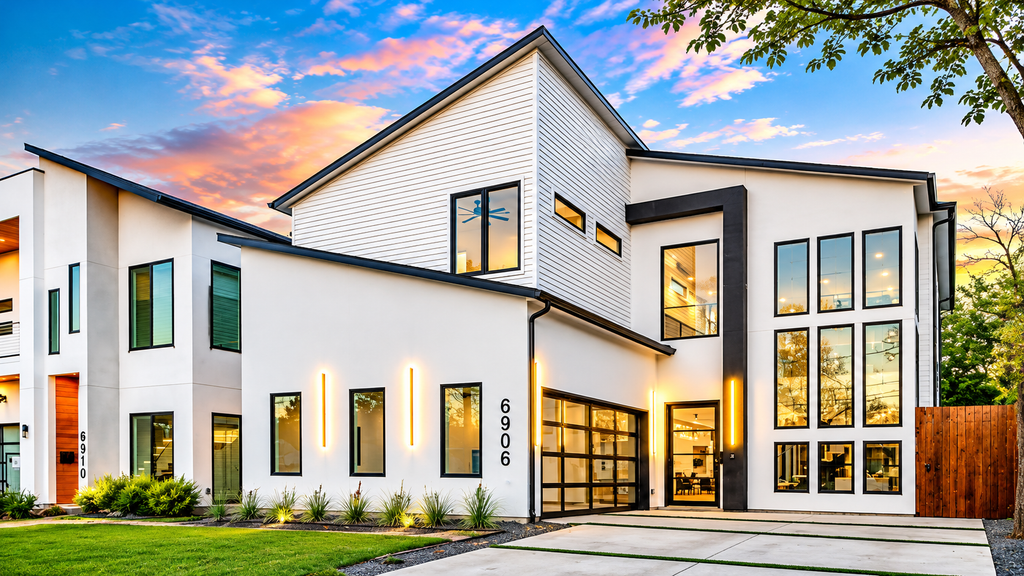
Thinking about buying a home in Texas? Dallas, Austin, and Houston each offer different housing options, neighborhoods, and lifestyle advantages. But choosing where to live involves more than comparing listing prices. Property taxes, homeowners insurance, transportation, and everyday expenses can all affect what you can comfortably afford.
When comparing the Dallas vs Austin vs Houston cost of living, the best choice depends on your budget, preferred location, household needs, and long-term plans. Here’s what buyers should consider before deciding where to put down roots.
Dallas vs. Austin vs. Houston: How Do Home Prices Compare?
The September 2026 housing reports provide a useful starting point. The following figures represent median single-family home sale prices across each metropolitan area, not just the central city.
| Texas market | Median sale price | Reporting period |
| Dallas–Fort Worth | $379,990 | September 2026 |
| Austin metro | $421,000 | September 2026 |
| Greater Houston | $325,000 | September 2026 |
Sources: MetroTex, Unlock MLS, and Houston Association of REALTORS®.
Based on these figures, Houston had the lowest median sale price among the three markets, while Austin had the highest. Dallas–Fort Worth fell between them.
However, these numbers do not tell the entire story. A buyer may find different price points in suburban communities such as Plano, Frisco, Round Rock, Cedar Park, Katy, and Pearland. Property size, age, neighborhood, and proximity to employment centers can also change what a budget can buy.
Property Taxes: What Should Texas Homebuyers Expect?
Texas does not have a state property tax, but local governments and school districts collect property taxes to fund public services. Your total bill can include county, city, school district, and special district taxes.
This is an important part of the cost of buying a home in Texas. Two properties with similar purchase prices can have different annual tax bills simply because they belong to different taxing jurisdictions.
For example, the City of Dallas adopted a 2026 property tax rate of $0.6978 per $100 of taxable value, while the City of Austin adopted $0.579948 for fiscal year 2026–27. Houston’s 2026 city rate is $0.51919. These are city tax components only, not complete property tax rates. School district and other local taxes must also be added.
Before purchasing, review the property’s actual tax history, applicable exemptions, and complete list of taxing entities. Eligible homeowners should also investigate the Texas homestead exemption.
Homeowners Insurance: Which City Could Cost More?
Insurance is another expense buyers should include in their monthly housing budget. Premiums depend on the home’s replacement cost, age, roof condition, coverage limits, claims history, and exposure to weather-related risks.
Texas Department of Insurance data for 2025 shows the following average annual homeowners premiums for policies with wind coverage:
| County | Average annual premium |
| Dallas County | $4,363 |
| Harris County | $4,144 |
| Travis County | $3,245 |
These are countywide averages, not quotes for individual homes or exact city comparisons.
Weather exposure also matters. North Texas properties can face hail and wind damage. Central Texas homes may experience hail and severe storms, while Houston-area buyers should pay particular attention to flooding, windstorm coverage, and hurricane-related risks.
Before making an offer, request insurance quotes for the specific property and check whether separate flood coverage may be needed.
Transportation and Daily Living Costs
Your commute can make a significant difference in your monthly budget. A home farther from work may have a lower purchase price but create higher fuel, toll, parking, and vehicle maintenance expenses.
Dallas–Fort Worth is a large metropolitan area with multiple employment centers and a regional public transportation network through DART and other providers. Austin offers Capital Metro bus and rail services, while Houston has METRO bus and light rail options.
All three markets have areas where owning a car is highly practical. Before choosing a neighborhood, test your likely commute during peak hours and consider access to grocery stores, schools, healthcare, and other regular destinations.
What Kind of Home Can Your Budget Buy in Each City?
Each market offers a mix of housing options, but availability and pricing vary by neighborhood.
Dallas–Fort Worth: Buyers can explore established neighborhoods, suburban single-family homes, townhomes, condominiums, and new construction. Communities such as Plano, Frisco, McKinney, and Irving offer different combinations of housing styles and commuting access.
Austin: Buyers can compare urban condominiums, townhomes, established single-family neighborhoods, and newer suburban communities such as Round Rock, Georgetown, Pflugerville, and Cedar Park.
Houston: The market includes a wide range of single-family homes, townhomes, condominiums, and new construction. Areas such as Katy, Sugar Land, Pearland, Cypress, and The Woodlands offer different price points and lifestyles.
Rather than assuming one city offers the most space for every dollar, compare similar properties in the specific neighborhoods you are considering.
Dallas vs. Austin vs. Houston: Which City Offers the Best Value?
There is no universal winner. Houston’s lower September 2026 metropolitan median sale price may appeal to buyers prioritizing a lower entry price. Dallas–Fort Worth offers a broad selection of suburban communities and access to multiple employment centers. Austin may appeal to buyers prioritizing its technology, education, and cultural amenities, although its September metro median was higher than the other two markets.
The right choice depends on how you balance housing costs, taxes, insurance, commuting, and lifestyle preferences. A lower purchase price does not always mean a lower monthly ownership cost.
How to Choose the Right Texas City for Your Budget
Before deciding where to buy, use this checklist:
- Establish a comfortable purchase-price range.
- Estimate your mortgage payment and closing costs.
- Add property taxes and homeowners insurance.
- Budget for utilities, maintenance, and HOA fees.
- Evaluate commuting and transportation expenses.
- Compare similar homes in your preferred neighborhoods.
- Consider schools, amenities, and long-term plans.
A complete monthly budget is more useful than a home-price comparison alone.
Frequently Asked Questions About Dallas, Austin, and Houston
1. Is Dallas cheaper than Austin and Houston?
The September 2026 median sale price was lower in Dallas–Fort Worth than in Austin but higher than in Greater Houston. Total ownership costs depend on the property and location.
2. Which Texas city has the lowest home prices?
Among these three metropolitan markets, Greater Houston had the lowest September 2026 median single-family sale price at $325,000.
3. Are property taxes higher in Dallas, Austin, or Houston?
There is no single answer because total rates depend on the property’s county, city, school district, and special taxing districts. Compare the complete tax bill for each property.
4. Is homeowners insurance more expensive in Houston?
Not necessarily. The 2025 county averages cited above were higher in Dallas County than Harris County, but individual premiums depend on the property, coverage, and risk exposure.
5. Where can buyers get more house for their money in Texas?
Houston may offer a lower metropolitan median purchase price, but buyers should compare similar homes and include taxes, insurance, and commuting costs before deciding.
6. Should I buy a home in Dallas, Austin, or Houston?
Choose the market that best fits your financial situation, preferred lifestyle, work location, and housing needs. Comparing specific neighborhoods is more useful than relying on citywide averages.
Final Thoughts: Choose the City That Fits Your Budget
Dallas, Austin, and Houston each offer different opportunities for Texas homebuyers. Houston had the lowest September 2026 metropolitan median sale price, Dallas–Fort Worth offered a middle price point, and Austin recorded the highest median among the three.
But the best place to buy is not necessarily the city with the lowest home price. Consider property taxes, insurance, commuting, and the type of home you want before making a decision.
Ready to Find Your Home in Texas?
Whether you’re considering Dallas, Austin, or Houston, Eminent Realty Group can help you explore neighborhoods and compare properties that align with your budget.
Connect with Eminent Realty Group to discuss your homebuying goals.
Planning a Move to Texas?
Let’s talk about your preferred location, housing needs, commute, and budget so you can make a more informed relocation decision.
Contact our team to start planning your move.
Thinking About Selling Your Current Home?
Understand your property’s potential market value and explore a pricing and marketing strategy that supports your next move.
Connect with Eminent Realty Group to discuss your selling plans.
Eminent Realty Group LLC
Specializing In Exquisite Estate Homes
Dallas | Austin | Houston