
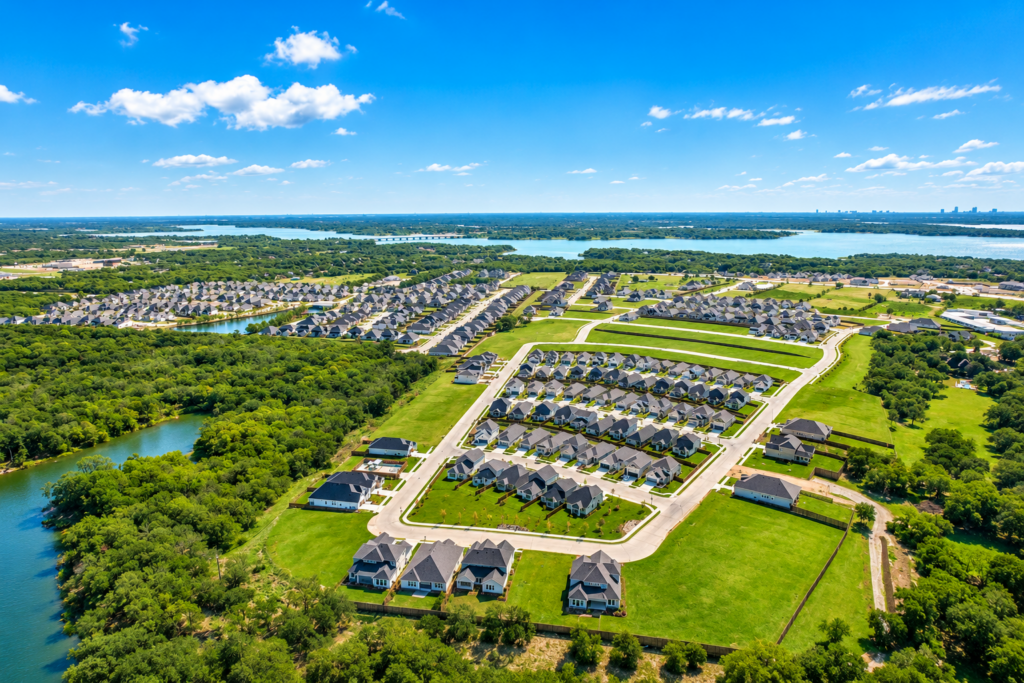
After more than a year of modest price declines, the Texas housing market may be reaching a turning point. According to the Texas Real Estate Research Center’s October 2026 report, statewide home prices were essentially flat year over year in August, ending a 15-month stretch of annual declines.
That is encouraging news for homeowners who have been watching property values, but it does not mean prices are rising everywhere. Buyers are still dealing with mortgage costs, while sellers face competition from available homes. Understanding these changes can help both sides make more informed decisions.
What the Latest Texas Housing Market Data Reveals
The Texas Real Estate Research Center reported a statewide median sales price of $330,000 in August 2026, compared with $335,000 a year earlier. Its separate home price index showed annual price growth had reached zero, marking the end of 15 consecutive months of declines.
Sales activity was softer. Texas recorded 28,740 closed home sales in August, down 4.7% from the same month in 2025. Active inventory stood at approximately 151,400 homes, representing 5.3 months of supply. Homes that sold spent an average of 65 days on the market.
These figures describe August activity, not October transactions. They suggest a market with less downward pressure on prices, but buyers still have choices and sellers need to price carefully.
Why Are Texas Home Prices Finally Stabilizing?
Several factors may help explain the change. Inventory has expanded compared with the extremely tight conditions buyers faced in earlier years, giving shoppers more properties to compare. At the same time, new listing activity has remained relatively steady, although it slowed seasonally in August.
Mortgage rates remain a challenge. When borrowing becomes more expensive, buyers may reduce their budgets, delay purchasing, or negotiate more carefully. The research center noted that mortgage rates had moved back above 7% after August, adding pressure to affordability and future sales activity.
New construction and builder incentives also influence competition in some communities. Buyers may compare resale homes with newly built properties offering financing incentives or upgrades. This can affect how existing-home sellers position their listings.
Price stabilization, therefore, does not necessarily signal a strong recovery. It may simply mean that the pace of price declines has eased.
What Does Price Stabilization Mean for Texas Homebuyers?
For buyers, a more balanced market can create room to compare properties and negotiate. The statewide median seller price cut was $14,900 in August, showing that some sellers were adjusting expectations to attract offers.
That does not mean every home is available below asking price. Desirable properties in sought-after neighborhoods can still attract attention, and local competition varies.
Before making an offer, review recent comparable sales, the property’s condition, time on market, and competing listings. Get mortgage preapproval and calculate the full monthly cost, including property taxes, insurance, maintenance, and any HOA fees.
The goal is not simply to find a lower price. It is to purchase a home that makes financial sense over the long term.
What Does the Changing Texas Market Mean for Home Sellers?
Sellers should not assume that statewide price stabilization guarantees their property will sell at last year’s price. Buyers are comparing more options, and homes that are priced above comparable properties may take longer to attract serious interest.
Start with recent sales in your immediate area rather than relying on statewide averages. Consider the home’s condition, location, upgrades, and competition. Professional photography, thoughtful staging, and a clear marketing strategy can help a listing stand out.
If showings are limited or buyers consistently raise the same concerns, review the pricing strategy and feedback. A realistic asking price from the beginning can be more effective than repeated reductions later.
How Are Dallas, Austin, and Houston Performing in 2026?
Texas is a large and varied housing market, so statewide trends do not tell the whole story.
In August, the Texas Real Estate Research Center reported that Fort Worth recorded a 0.6% year-over-year price increase, while Dallas continued to experience mild price softening, with annual declines nearing 1%. Houston prices increased 0.7% year over year. Austin prices remained below year-ago levels, although the pace of decline had moderated.
Sales activity also differed. Through August, year-to-date sales were 7.8% higher in Austin than the same period in 2025, 0.9% higher in Dallas-Fort Worth, and 1.2% lower in Houston.
These differences matter. A buyer comparing homes in Austin may face different choices and negotiating conditions from someone shopping in Houston or Dallas. Sellers should pay attention to their own neighborhood and price range, not just the statewide headlines.
Is 2026 a Good Time to Buy or Sell a Home in Texas?
It depends on your finances, plans, and local market. Buyers may benefit from having more time to compare properties, but mortgage rates and ownership costs still deserve careful attention.
For sellers, demand has not disappeared, but pricing and presentation matter. Review comparable sales, competing listings, and your expected proceeds before deciding when to list.
Neither buyers nor sellers need to make a decision based on predictions alone. Current local data and a clear understanding of personal goals are more useful guides.
Frequently Asked Questions About the Texas Housing Market in 2026
Are Texas home prices going up in 2026?
Statewide home prices were essentially flat year over year in August 2026, according to the Texas Real Estate Research Center’s home price index. Individual cities and neighborhoods showed different results.
Why are Texas home prices stabilizing?
The moderation in price declines coincides with changing inventory, buyer demand, and local market conditions. No single factor explains the statewide trend.
Is 2026 a good time to buy a house in Texas?
It may be a suitable time for buyers who are financially prepared and find a property that meets their needs. Compare local sales, financing costs, and the full cost of ownership.
Is Texas currently a buyer’s market?
Some areas offer buyers more choices and negotiating opportunities, but conditions vary. Inventory, days on market, and sale prices should be reviewed locally.
Are home prices expected to rise in Texas in 2027?
Current data cannot guarantee that prices will rise in 2027. Mortgage rates, employment, inventory, and buyer demand will influence future conditions.
What is happening in the Dallas, Austin, and Houston housing markets?
August data showed different trends: Fort Worth and Houston recorded modest annual price gains, Dallas experienced mild price softening, and Austin’s annual declines moderated. Local conditions should be checked before making a decision.
What Comes Next for the Texas Housing Market?
The latest figures point to a market where statewide price declines have eased, but sales and affordability remain challenges. Stabilization is worth watching, not a guarantee that prices will climb again.
Whether you are buying or selling, focus on recent comparable sales, available inventory, financing costs, and conditions in your specific area.
Thinking About Buying a Home in Texas?
Whether you are exploring Dallas, Austin, or Houston, Eminent Realty Group can help you understand the market, compare available properties, and consider your next move.
Connect with Eminent Realty Group to start the conversation.
Considering Selling Your Texas Home?
Get a better understanding of your property’s potential market value, local competition, and pricing options. Connect with Eminent Realty Group to discuss a strategy that fits your goals.
Eminent Realty Group LLC
Specializing In Exquisite Estate Homes
Dallas | Austin | Houston